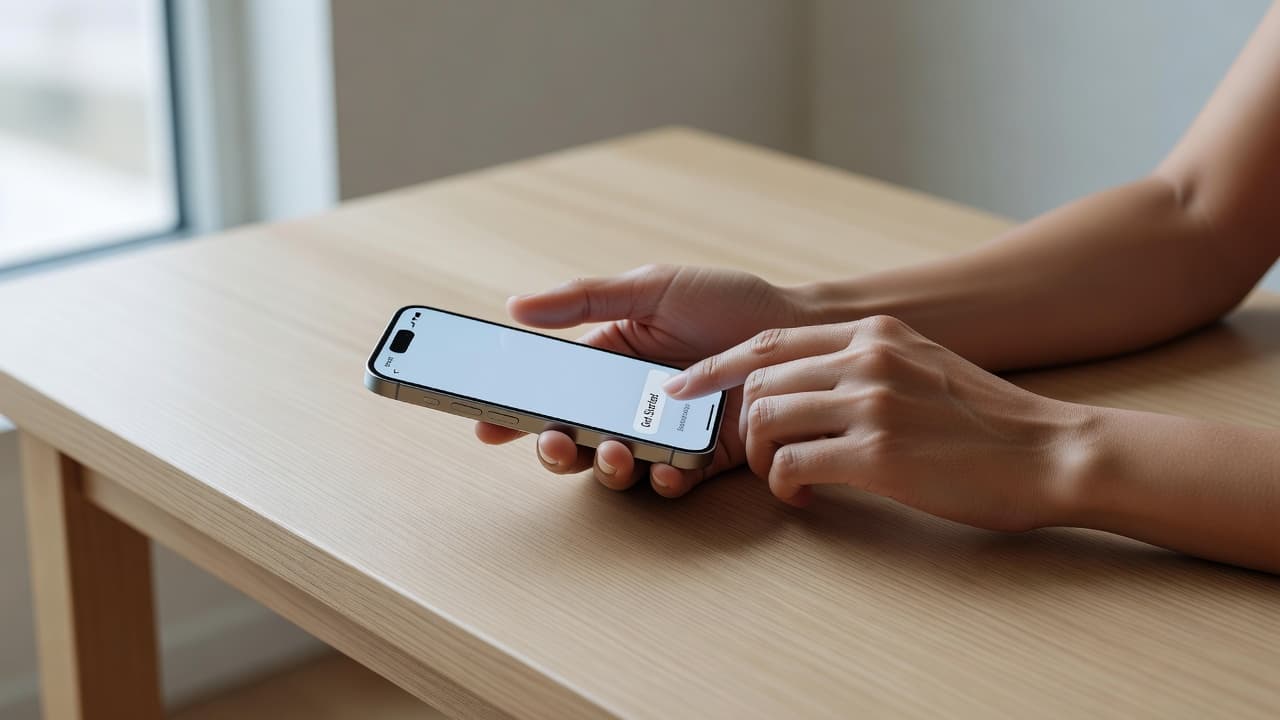
The iPhone 15 Tips can feel confusing at first, especially if you’re a senior or a beginner getting used to a new phone. The buttons, gestures, and settings can seem like a lot at first, but you don’t need to learn everything at once. With these essential iPhone 15 tips, you will feel confident navigating your phone in no time.
A calm, step-by-step approach makes the phone much easier to use. This guide focuses on the most useful iPhone 15 tips that help you feel confident, safe, and comfortable using your phone every day. By practicing these iPhone 15 tips, you can master the device without any stress.
You’ll see the features that matter most, explained in plain language, so you can start with the basics and build from there.
Why the iPhone 15 feels easier once you know the basics
The iPhone 15 Tips feels much less intimidating after the first few habits click into place. The screen is clean, the gestures are simple, and most of the daily tasks come down to a few repeatable moves. Once you know where to tap, swipe, and look, the phone starts to feel natural instead of busy, making these iPhone 15 tips highly practical.

What makes iPhone 15 different from older phones
If you’re moving from an older phone, the first thing you may notice is the home screen. The iPhone 15 Tips uses app icons arranged in a simple grid, so you tap an app instead of digging through menus. That alone can make the phone feel more direct. Applying a few simple iPhone 15 tips will quickly bridge the gap between your old device and this new model.
Face ID is another big change. Instead of entering a passcode all the time, you usually just look at the phone and it unlocks. That saves time and cuts down on the small frustrations that older phones often create.
Gestures can also feel new at first, but they are easy once you practice them a few times. A swipe up takes you home, a swipe down from the top opens notifications, and a swipe from the upper-right corner opens quick settings. For a plain beginner guide, this iPhone basics walkthrough is a helpful reference.
App navigation is simpler than it looks. You tap an app to open it, tap the back button when you need to return, and use the search bar when you don’t want to scroll through pages of icons. The phone starts to feel a lot like a room with clear labels once you know where the doors are.
The iPhone 15 feels harder before it feels easy. After a little practice, the main actions repeat in the same places.
Essential iPhone 15 Tips for Day One
Start with the basics you use most, and ignore the rest for now. Calls, texts, camera, and volume settings are enough for the first day. Everything else can wait. Learning these foundational iPhone 15 tips first ensures you don’t feel lost on day one.
A simple way to build confidence is to learn one small piece at a time:
- Make a call and answer one.
- Send a text message.
- Adjust the brightness and volume.
- Check Wi-Fi and battery settings.
- Open the camera and take one photo.
That pace keeps the phone from feeling crowded. You don’t need to master every menu, and you don’t need to remember every gesture right away. A few daily habits matter more than a long list of features.
If you want extra practice, spend a few minutes exploring after a calm moment, not when you’re in a hurry. The more often you repeat the same actions, the faster they stick.
Set up your iPhone 15 the easy way
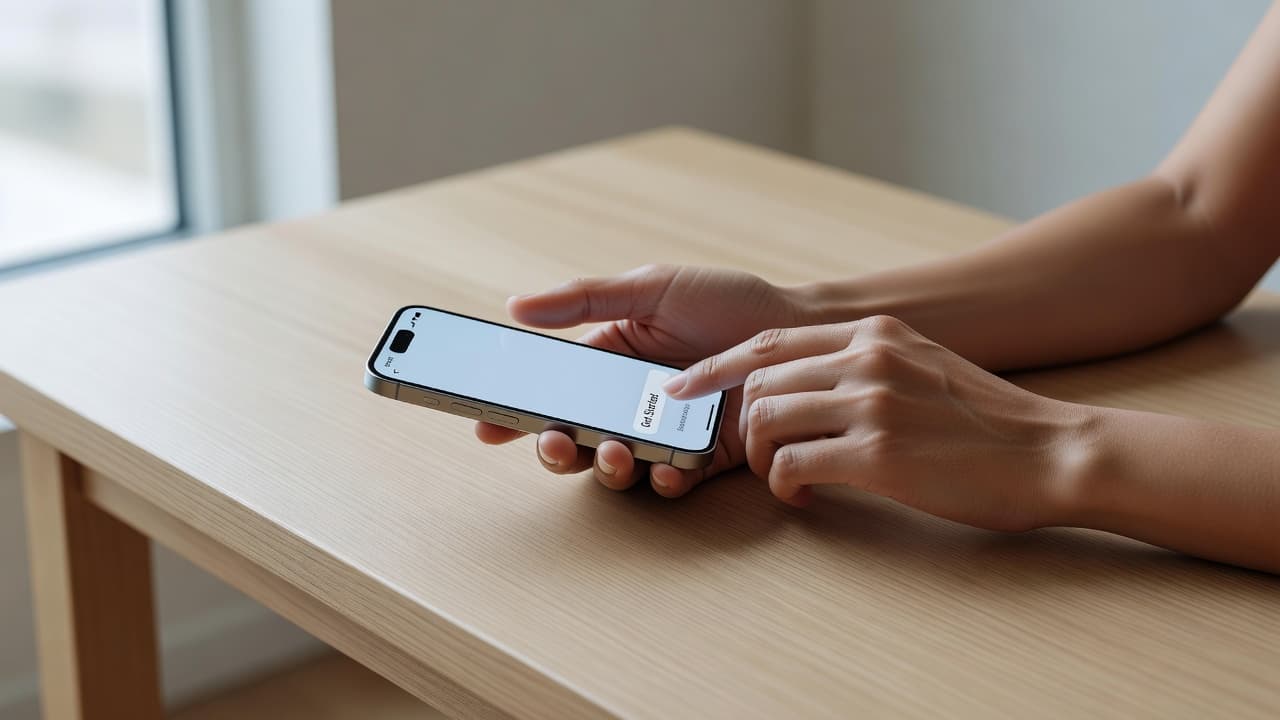
A good first setup makes everything else easier. Start slow, keep the phone on a charger if you can, and follow the on-screen prompts one step at a time. The iPhone 15 walks you through the basics in a clear order, so you do not need to guess. Remembering a few basic iPhone 15 tips at this stage will make the setup process much smoother.
Turn it on, connect to Wi-Fi, and sign in safely
Press and hold the side button until the Apple logo appears. After that, the phone guides you through language, region, and quick setup screens. Take your time here, because these choices shape the way the phone works for you. Following the right iPhone 15 tips during setup ensures your device is configured exactly how you need it.
Wi-Fi matters because it speeds up setup, downloads the latest updates, and helps restore your apps and settings. If your home network is strong, use that first. If you need help with the early setup screens, Apple’s iPhone User Guide gives a clear walkthrough.
When the phone asks for your Apple ID, sign in with the account you plan to keep using. That login matters for App Store downloads, iCloud backups, and device recovery if the phone is ever lost. If you do not have one yet, create it during setup so everything is tied together from the start.
A simple setup order works best:
- Choose your language and region.
- Connect to Wi-Fi.
- Sign in with your Apple ID.
- Let the phone finish any software update.
- Move on to security and display settings.
Choose the right accessibility settings from the start
This is the best time to make the screen easier to read. Larger text, bold text, and higher brightness can make a big difference if small print strains your eyes. You can also turn on zoom if you want a closer view of part of the screen. Adjusting these settings is one of the most helpful iPhone 15 tips for anyone who wants a more comfortable viewing experience.
Sound settings matter too. Raise the ringer volume, check alert tones, and test speaker sound before you finish setup. If calls, alarms, or notifications are hard to hear, fix that now instead of after you start using the phone every day.
A few helpful options are easy to find:
- Larger Text helps messages and menus look clearer.
- Bold Text makes words easier to see at a glance.
- Display Brightness keeps the screen comfortable in different rooms and outdoors.
- Zoom gives you a closer view when you need it.
- Sound and Ringtone settings help you hear calls and alerts more easily.
Small display changes can make the phone feel much easier right away.
Set up passcodes, Face ID, and emergency contacts
Security should be simple, not stressful. Pick a passcode you can remember easily, but avoid birthdays or repeating numbers that others could guess. Six digits is a solid choice for most people, and you can use a longer passcode if you want more protection. One of the best iPhone 15 tips for security is to set up your passcode immediately during the initial configuration.
Face ID is worth setting up because it saves time and makes unlocking the phone feel natural. Hold the iPhone steady and follow the facial scan prompts. After that, you can unlock the phone, approve purchases, and open many apps with a quick glance.
Do not skip emergency contacts. Add family members, a trusted friend, or anyone who should be reached if something goes wrong. That extra step helps with peace of mind, and it also makes the phone more useful in an urgent moment.
For a quick finish, check these items before you stop:
- Passcode set and remembered
- Face ID working properly
- Emergency contacts saved
- Apple ID signed in
- Wi-Fi connected and stable
Once these basics are in place, the iPhone 15 feels much less complicated. You have the right account, the right protection, and the right display settings to start using it with confidence.
Learn the iPhone 15 controls that matter most every day
Once you know the main controls, the iPhone 15 Tips feels much easier to use. You do not need to learn every setting or gesture at once. Focus on the places you will touch every day, and the phone starts to feel familiar fast.
Use the Home Screen, Control Center, and App Library
The Home Screen is where your main apps live. You will usually see icons for Phone, Messages, Camera, Safari, and any apps you use often. Tap an icon to open it, then swipe left or right to move between pages if you have more apps than fit on one screen.
The App Library keeps all of your apps in one place, even if they are not on the Home Screen. Swipe left until you reach the last screen, and you will find apps grouped by type. If you cannot find an app fast, use the search bar at the top and type a few letters of its name.
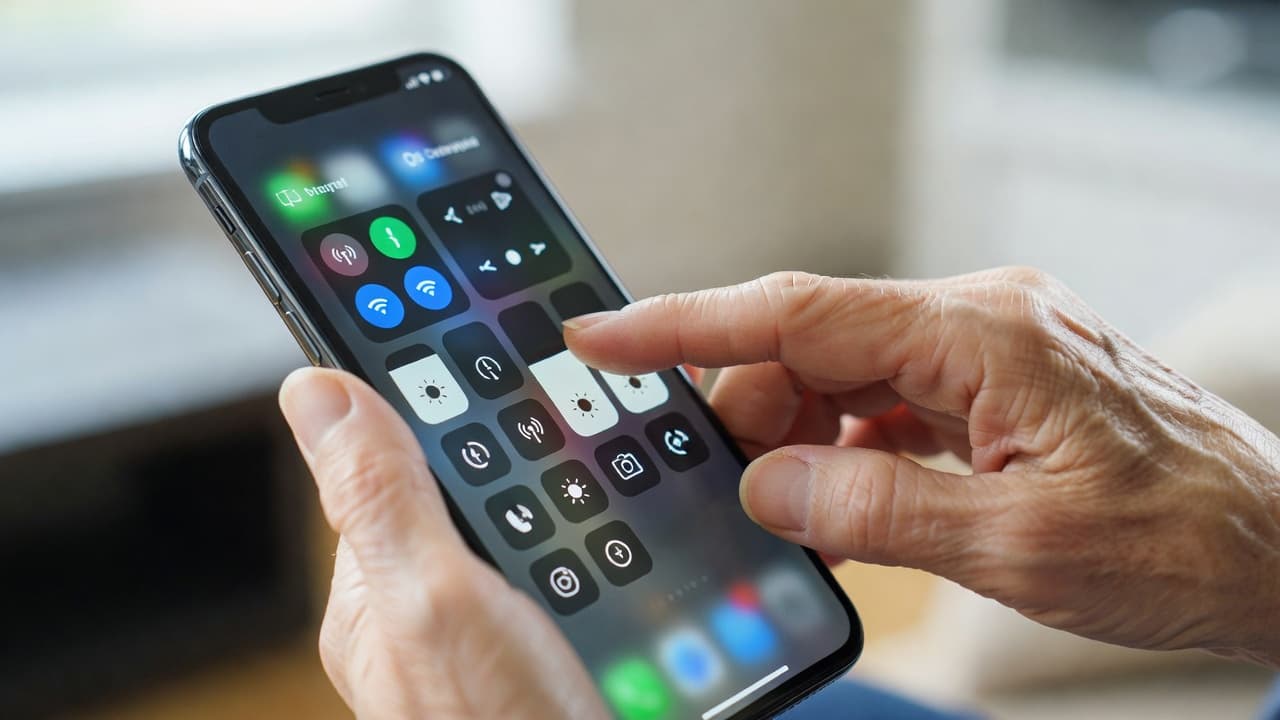
Control Center is the quick-settings panel you will use all the time. Swipe down from the top-right corner of the screen, and you can change Wi-Fi, Bluetooth, brightness, volume, and flashlight without hunting through menus.
That makes daily tasks much quicker. If the room is too dark, slide up the brightness. If you need a flashlight in a hurry, tap once and it turns on. For a simple Apple walkthrough, Control Center settings on iPhone explains the main controls clearly.
A few habits help here:
- Keep the apps you use most on the first Home Screen.
- Use App Library when you cannot remember where an app went.
- Open Control Center for fast changes instead of digging through Settings.
Ask Siri for help with voice commands
Siri is the voice assistant on your device, and knowing how to use it can save time when your hands are busy. Say “Hey Siri” or press and hold the side button, then give a simple command. Following these Siri-focused iPhone 15 tips makes hands-free control incredibly easy. The best requests are short and clear.
You can use Siri for tasks like these:
- “Call Mary”
- “Set a reminder for 2 p.m.”
- “What is the weather today?”
- “Text John I’m running late”
- “Turn on the flashlight”
Siri is especially helpful when you do not want to type or search. It also helps if your eyesight is tired or your hands are full. For quick tasks, it feels like speaking to a helpful receptionist instead of tapping through menus.
Still, Siri is not always the best choice. It may misunderstand names, accents, or noisy rooms, and it can struggle with longer requests. In those moments, it is easier to use the screen directly.
Short commands work best. If Siri does not understand you the first time, try using fewer words.
Adjust text size, sound, and display for comfort
Comfort settings matter every day, because small changes can make the phone easier to live with. If text looks tiny, open display settings and increase the font size. Larger text helps with messages, calendar alerts, and app menus, especially in bright light. Applying these iPhone 15 tips for display adjustments ensures you won’t strain your eyes.
Sound settings deserve attention too. Raise the ringtone volume so calls are easier to hear, then check alert sounds for messages and alarms. If one ear hears better than the other, use the sound balance slider to shift audio left or right.
Screen brightness also makes a big difference. Turn it up outdoors, then lower it in the evening so the screen feels easier on your eyes. Auto-Brightness can help, but manual control is useful when you want the screen to stay steady.
For daily comfort, start with these settings:
- Increase text size until reading feels easy.
- Set ringtone volume high enough to hear across a room.
- Adjust sound balance if one side sounds stronger.
- Change screen brightness for the room you are in.
A few minutes spent here can save a lot of squinting later. Once the display and sound feel right, the iPhone 15 becomes much more pleasant to use throughout the day.
Master the apps seniors use most often
The best iPhone apps are the ones you can open without thinking. For most seniors and beginners, that means a few everyday tools that help with calls, browsing, health, and reminders. Once these apps feel familiar, the phone starts to feel useful right away. Keeping these foundational iPhone 15 tips in mind will help you enjoy your device to the fullest.

Messages and FaceTime for staying close to family
Messages is where you send text messages, photos, emojis, and short videos. Open the app, tap the compose button, choose a contact, and type your message. If you want to send a picture, tap the camera or photo button inside the conversation and choose an image from your library. Mastering this app is one of the most basic iPhone 15 tips every user should know.
FaceTime is for live video calls and voice calls. Use it when you want to see the other person on the screen, such as a grandchild’s face or a family celebration. Apple Support has a clear FaceTime setup guide if you want extra help getting started.
A simple way to remember the difference is this:
- Messages is for quick written chats, photos, and updates.
- FaceTime is for real-time conversations with video or sound.
If someone sends you a text, tap the notification or open Messages from the Home Screen. If you want a video call, open FaceTime, choose the person, and tap the video button. The controls are simple, and after a few tries, they start to feel routine.
If you are unsure which app to use, send a Message first. Then switch to FaceTime when you want a live conversation.
Safari for finding answers, news, and websites
Safari is the iPhone’s web browser, and it helps you look up anything from store hours to health questions. Tap the Safari icon, then type your search in the address bar at the bottom or top of the screen. If you want a quick reference on safe browsing, Apple’s Safari User Guide covers the basics.
Search carefully and stick to familiar websites when the topic matters, like banking, travel, or medical info. Look for the lock icon in the address bar, which usually means the site uses a secure connection. Even then, read the site name before you tap anything.
A few habits keep browsing simple and safer:
- Close pop-ups that ask you to download things you did not request.
- Avoid sites with strange spellings or extra words in the web address.
- Use the Share button to save a page for later.
- Bookmark pages you visit often, such as news, recipes, or weather.
If a page feels messy, back out and find a cleaner source. A good website should be easy to read, with clear menus and few interruptions. That alone saves a lot of confusion.

Health and reminders for daily routines
The Health app helps you keep track of useful wellness details in one place. You can view steps, walking patterns, sleep, heart information, and other data the phone may collect or connect from accessories. Open the app, then tap the tabs that match what you want to see, such as summary, sharing, or browse. Utilizing these tracking features effectively is part of our advanced iPhone 15 tips for long-term wellness.
You do not need to check every chart. Start with one or two things that matter to you, like daily steps or sleep. If you use an Apple Watch or other connected device, Health can bring those details together so you can spot patterns more easily.
Reminders is the app that helps you remember the small things that matter. Use it for medicine, doctor visits, trash day, bills, or simple chores. Tap “New Reminder,” type the task, and set a time or date if you want an alert.
A practical setup might look like this:
- Add medication reminders for morning and evening.
- Save appointments with date and time alerts.
- Create a grocery list for repeat items.
- Add chores like watering plants or taking out the trash.
Keep reminder names short and clear. “Take blood pressure pill” is easier to scan than a long sentence. When the alert appears, you can mark it done with one tap and move on.
A little setup goes a long way here. With Health and Reminders working for you, the iPhone becomes more than a phone, it becomes a steady helper for daily life. We hope these iPhone 15 tips help you feel more comfortable and confident with your device every single day.
At DailyDealSpot24, our testing suite for 2026 involves more than just plugging in a dongle.