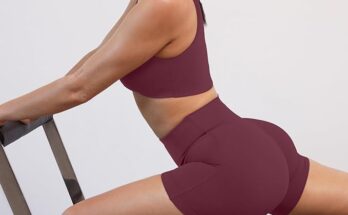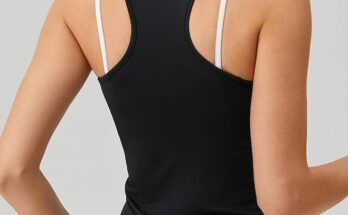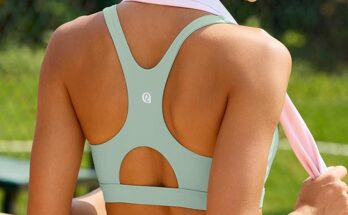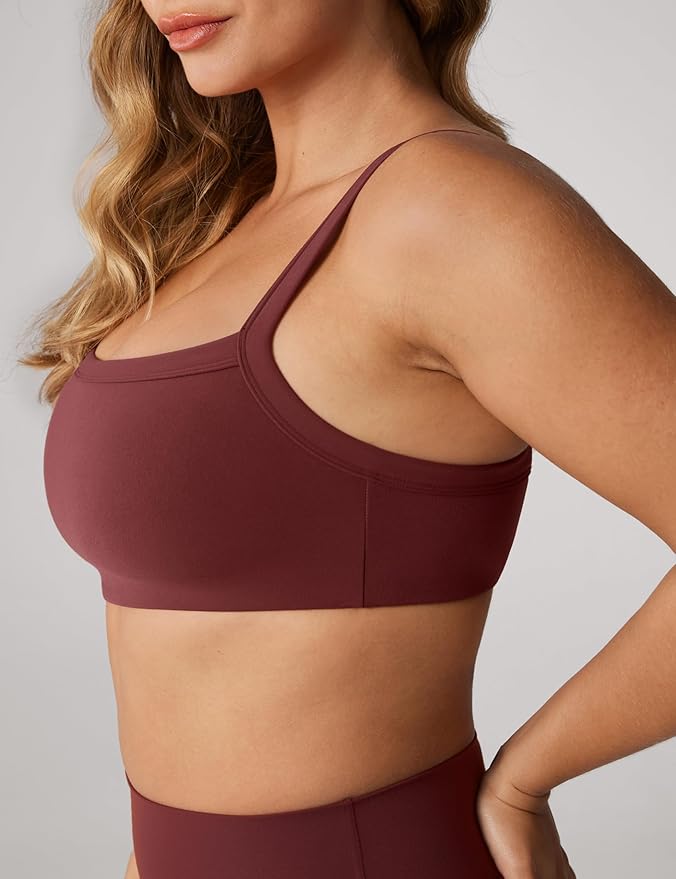
How to choose the right sports bra size is one of the most important decisions for comfort and support during workouts. Choosing the right sports bra size is one of the most important steps for comfort, support, and long-term breast health. Many women wear the wrong size without even realizing it. This guide will help you understand how to measure yourself correctly and choose the best fit for your body type and workout level.
Why Wearing the Correct Sports Bra Size Matters When Learning How to Choose the Right Sports Bra Size
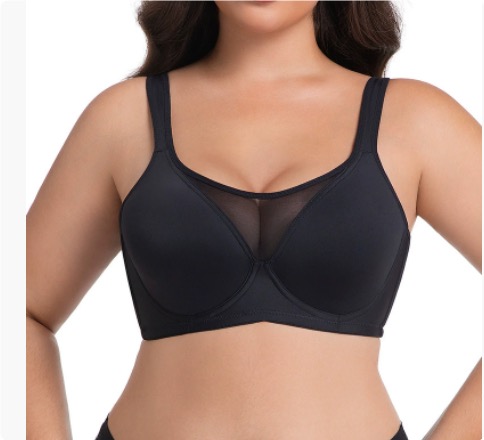
Understanding how to choose the right sports bra size is essential for comfort and long-term support. Many women wear the wrong size without realizing it, which can lead to discomfort, poor posture, and reduced workout performance. Learning how to choose the right sports bra size properly helps reduce strain on your shoulders and back while improving overall confidence during exercise.
A properly fitted sports bra:
- Reduces breast movement during exercise
- Prevents back and shoulder pain
- Improves posture
- Increases workout comfort
- Prevents long-term sagging caused by excessive bounce
If your sports bra feels too tight, digs into your shoulders, or doesn’t control movement properly, you are likely wearing the wrong size.
If you’re wondering how to choose the right sports bra size, this complete guide will walk you through every step. Understanding how to choose the right sports bra size correctly can prevent discomfort, improve performance, and protect your long-term breast health.
Step 1: Measure Your Band Size – How to Choose the Right Sports Bra Size Correctly
For additional guidance on proper bra fitting techniques, you can visit the
You will need a soft measuring tape.
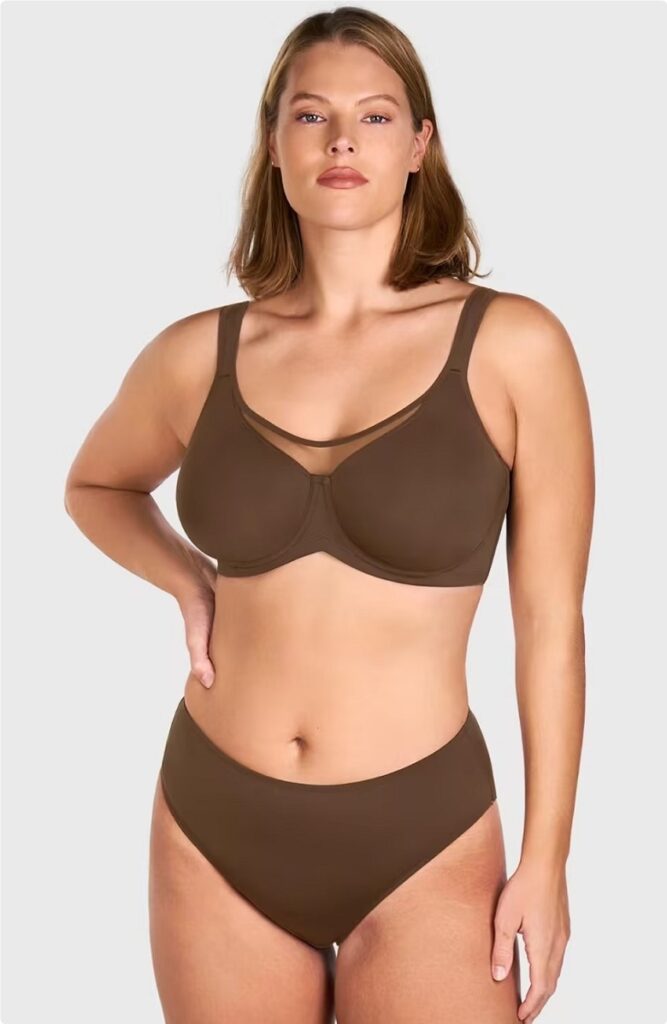
- Stand straight and wrap the tape around your ribcage, just under your bust.
- Make sure the tape is snug but not too tight.
- If the measurement is an even number, that is your band size.
- If it is an odd number, round up to the nearest even number.
Example:
If you measure 33 inches → your band size is 34.
Step 2: Measure Your Bust Size
Wrap the measuring tape around the fullest part of your chest.
Keep the tape level and relaxed.
Do not compress your breasts while measuring.
Step 3: Calculate Your Cup Size
Subtract your band size from your bust measurement.
Difference in inches determines cup size:
- 1 inch = A cup
- 2 inches = B cup
- 3 inches = C cup
- 4 inches = D cup
- 5 inches = DD cup
Example:
Bust = 38 inches
Band = 34 inches
Difference = 4 inches → D cup
Final size = 34D
Types of Sports Bras Based on Support Level
Low Impact
Best for:
- Yoga
- Walking
- Stretching
Provides light support and comfort.
Medium Impact
Best for:
- Gym workouts
- Cycling
- Strength training
Offers moderate control and support.
High Impact
Best for:
- Running
- HIIT workouts
- Jump training
Designed to minimize bounce and provide maximum support.
Signs Your Sports Bra Does Not Fit Properly
- Straps digging into shoulders
- Band riding up your back
- Spillage from the top or sides
- Excessive breast movement
- Chafing or discomfort
If you notice any of these signs, it is time to resize.
How Often Should You Replace a Sports Bra?
Sports bras should typically be replaced every 6–12 months depending on:
- Workout frequency
- Fabric quality
- Washing habits
Elastic weakens over time, reducing support.
Final Tips for the Perfect Fit
- Always try the “jump test” before buying.
- Make sure the band provides most of the support (not the straps).
- Choose moisture-wicking fabric for sweaty workouts.
- Re-measure yourself every few months as body size can change.
Conclusion
Choosing the right sports bra size improves comfort, confidence, and performance. Taking a few minutes to measure yourself correctly can prevent long-term discomfort and help you get the most out of your workouts.
A well-fitted sports bra is not just about style — it is about health and support.
Common Sports Bra Sizing Mistakes to Avoid
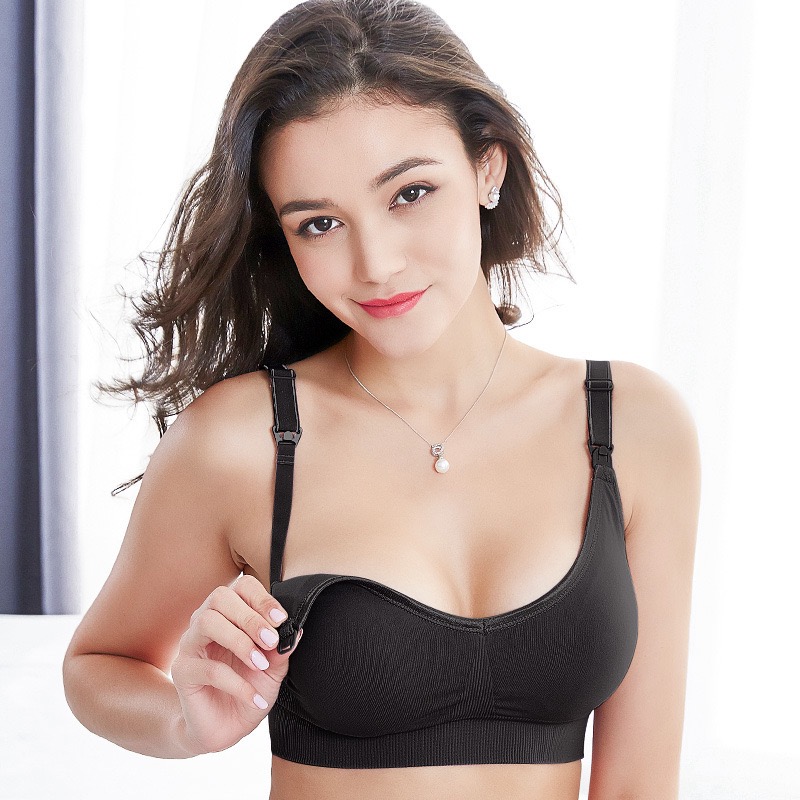
Many women make small mistakes when choosing a sports bra, which can lead to discomfort and poor support. Understanding these mistakes can help you avoid long-term issues.
1. Choosing the Same Size as a Regular Bra
Sports bras are designed differently from everyday bras. The compression and support level may require a slightly different fit. Always check the brand’s size chart before purchasing.
2. Ignoring Activity Level
Not all workouts require the same level of support. Wearing a low-impact bra for running can cause discomfort and excessive movement. Always match your bra type to your workout intensity.
3. Straps Too Tight
Many people tighten the straps to increase support. However, most support should come from the band, not the straps. Over-tightened straps can cause shoulder and neck pain.
4. Band Too Loose
If the band rides up your back, it is too loose. The band should sit straight and firm around your ribcage. This is where most of the support comes from.
Fabric and Breathability Matter
When exercising, sweat can cause irritation if the fabric is not breathable. Look for:
- Moisture-wicking materials
- Mesh panels for airflow
- Seamless design to reduce chafing
Breathable fabric keeps you dry and comfortable during long workouts.
How to Test a Sports Bra Before Buying
If possible, always test the sports bra:
- Raise your arms
- Bend forward
- Do a small jump
If there is too much movement or discomfort, try a different size or support level.
When to Size Up or Down
You may need to adjust your size if:
- You recently lost or gained weight
- You feel tightness around your ribcage
- There is visible spillage
Body measurements change over time, so checking your size every few months is recommended.
Final Thoughts
Finding the right sports bra size is not just about numbers — it is about comfort, confidence, and performance. Taking the time to measure correctly and understand support levels can make a big difference in your fitness journey.
Investing in the right fit protects your body and helps you stay active without discomfort.
Now that you understand how to choose the right sports bra size, you can confidently select a sports bra that fits your body perfectly and supports your workout routine.
To complete your workout outfit, read our detailed review of the